
Antique Drawer Pulls
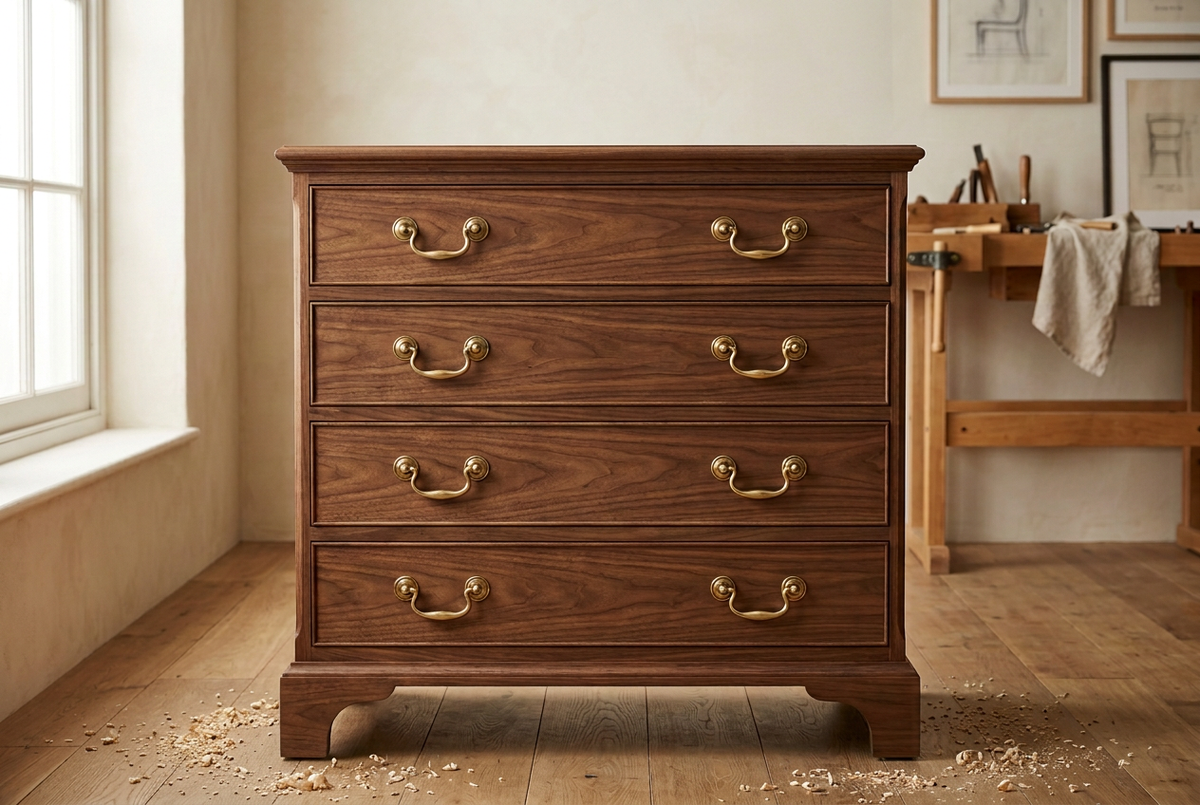
Antique & Vintage Style Drawer Pulls
Whether you’re restoring a treasured piece, building new furniture, or choosing classic hardware for kitchen cabinets, find reproduction drawer pulls that bring traditional character to your project.
Drawer pulls can blend quietly into a piece or become its defining detail. Consider the shape, scale, and finish alongside the wood and surrounding interior to find a look that feels right.
Looking for a particular period, finish, or size? Scroll down to explore your options.
FAQ
Brass stands as a premier choice for hardware applications, it is far superior to many other alternatives on the market. Combining strength with remarkable durability, this copper-zinc alloy resists corrosion naturally—lacking iron means no rust—while its antimicrobial properties actively inhibit harmful microbes when left unlacquered. The material's inherent malleability permits intricate designs and precise patterning. Finishing flexibility ranges from polished brilliance to aged patina, adapting to any aesthetic. Unlike many metals used in hardware manufacturing, brass maintains structural integrity over decades without brittleness or failure. As a fully recyclable material produced through energy-efficient processes, it delivers both performance and environmental responsibility.
Various Furniture periods in history each had their own unique hardware style. These periods represent a particular style and the length of time that style was made. For a cohesive appearance, both the hardware and the furniture should reflect the same period.
Determine the period by looking at the style and shape of the individual piece of furniture. Reference books and online sources are a great option for this. Once the correct furniture period is established it can be cross referenced with drawer pulls of that time period to find suitable solutions.
- If replacing, remove the old handle. Most pulls are attached with screws or a bolt and nut. These are seen on the inside of drawers or cabinet doors. Remove nut or unscrew depending upon attachment method, from drawer or door interior. The pull is then easily removed from the drawer or door front.
- Measure hole spacing from center-to-center. This measurement, known as the “boring”, is critical when replacing handles on existing furniture as the replacement must be the same size. If this measurement does not match it will be necessary to drill new mounting holes.
- Check the overall dimensions: length and width of the pull. Old hardware sometimes leaves a shadow where it existed. It is best to ensure the new replacement will cover any marks left by the previous hardware.
Hardware Experts Since 1968